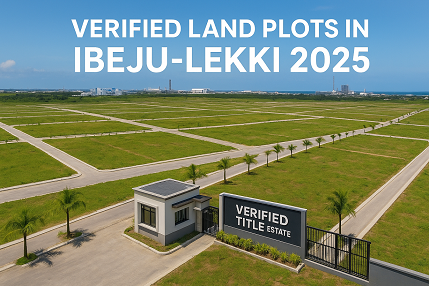
If you’ve been following the buzz in Lagos real estate, you’ve probably heard the term “verified land plots in Ibeju-Lekki” cropping up more than once lately. But what exactly does it mean, and more importantly, how can you invest smartly in this booming zone in 2025? That’s what we’ll unpack in this article.
In this post, we’ll explore why land plots in Ibeju-Lekki are trending, what “verified” really means in the Nigerian land market, how much you’re likely to pay, and most crucially—how to avoid the typical land-scams that many first-time buyers fall into. Plus: I’ll share insights from my own field work, on-site visits and conversations with agents here in Lagos.
By the time you finish reading, you’ll have a solid, practical roadmap for investing in verified land plots in Ibeju-Lekki in 2025—with enough knowledge to negotiate, inspect, and maybe even buy with confidence.
Why Ibeju-Lekki? The Big Picture
1. Location & Growth Story

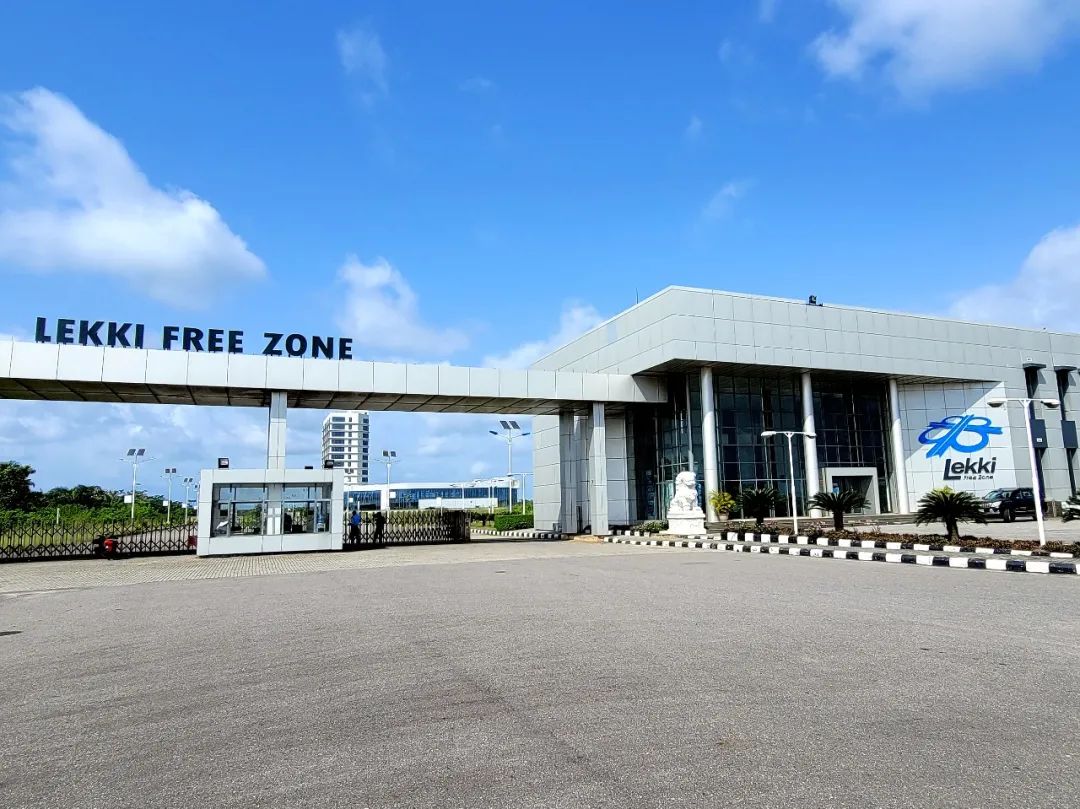
The local government area of Ibeju‑Lekki (in Lagos State) is no longer a quiet suburb—you’re looking at one of the fastest shifting nodes of growth in Nigeria’s real estate map. According to the Wikipedia entry: “The commercial centre of Lagos is gradually shifting towards the area.”
Key drivers:
The Lekki Free Trade Zone (LFTZ) and large industrial projects.
The Dangote Group refinery and petrochemical plant sited nearby.
Infrastructure upgrades: major expressways, planned railway/transport links (which enhance access).
Compared to older Lagos belts (Ikoyi, Victoria Island, Ajah), Ibeju-Lekki still offers relatively more affordable land—for now.
2. Price Trends & Investment Potential
Let’s talk numbers, because you asked for smart investment and you want real data.
One listing aggregator puts the average price of land for sale in Ibeju-Lekki at around ₦35 million per plot.
Another site shows a broad range: plots at ₦2 m to ₦3.5 billion depending on size, location, quality of title.
A more recent breakdown: some genuine land plots start from ₦5 m to ₦30 m, and can go over ₦60 m near the Free Trade Zone/refinery area.
From my own visits to Ibeju-Lekki this year: On the Lekki-Epe Expressway axis, you’ll find serviced 600 sqm plots asking around ₦20m-₦50m, depending on front-road access and title status. In more remote pockets (off-road, undeveloped access), you might pick up something in the low tens of millions.
3. Why “Verified” Matters
When we talk about verified land plots in Ibeju-Lekki, we’re contrasting them with untested or risky land transactions. Verified implies:
The seller is legitimate (estate developer or legitimate family)
Title documents are genuine (Certificate of Occupancy, Governor’s Consent where required, or proper Deed of Assignment)
Survey plan exists, beacons are placed, boundaries are clear
The land is accessible (road, infrastructure), no glaring encroachment or dispute
Given how many land scams happen (especially around emerging zones), investing in “verified” land gives you a higher chance of avoiding headache and securing appreciation.
What to Check Before Buying Verified Land Plots in Ibeju-Lekki
Now we get to the specialist bit: Because even in Ibeju-Lekki—where the growth story is strong—you must carry out due diligence. Here are the key checks I always run when I write or consult on land transactions.
H2: Legal & Title Validation

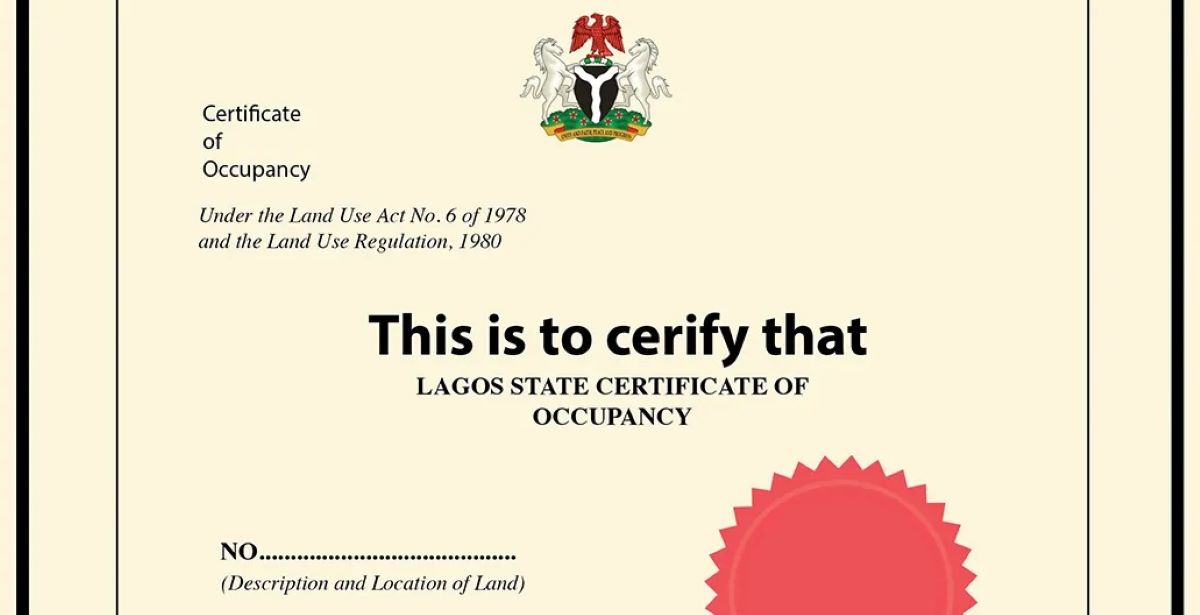

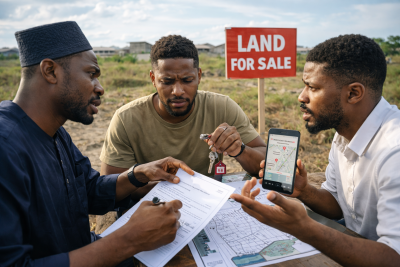
Verify ownership and title documents. In Nigeria you must check the land title: Who holds it? Is it registered in the state land registry? As one expert article puts it: “It is crucial to engage the services of a legal professional to carry out investigation at the land registry … to verify if the plot has not been committed for government acquisition.”
Check survey plan & beacons. The plot must correspond to a registered survey plan with coordinates, beacons, and must match what you see on the ground. Many land disputes happen because boundaries are not clear.
Check for encumbrances or litigation. One article warns that “any sale of landed property acquired during the pendency of litigation is null and void.” So ask: Is the plot subject to dispute? Has it been used as collateral? Is there government acquisition planned?
Check zoning and land-use. If you plan to build a house, or lease commercial, ensure the local planning authority approves your intended use. Sonething often overlooked.
Physical & Location Factors


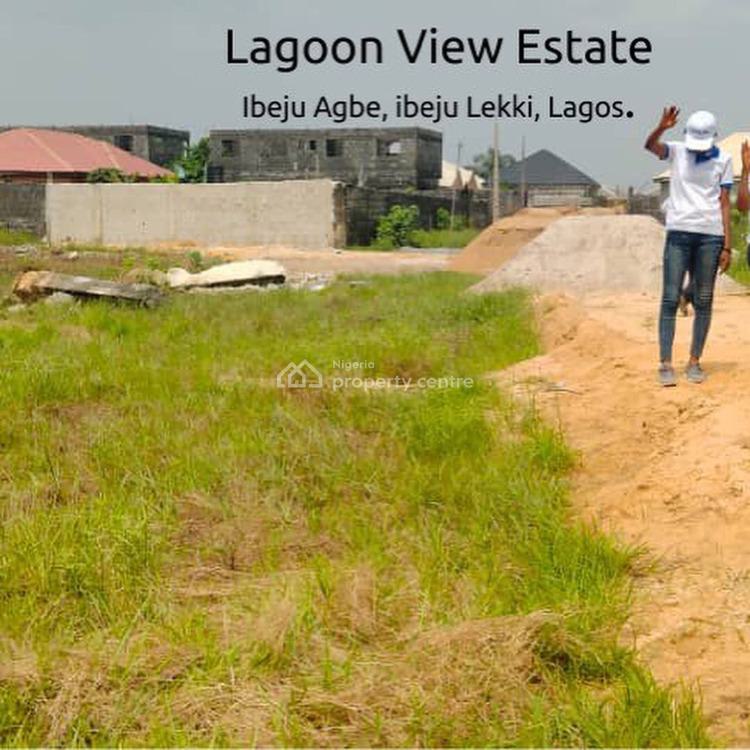
Check access road and infrastructure. A plot may look cheap but if it has no motorable road or is far off the expressway, value will lag. On-site inspection is vital.
Check flood risk, topography, environmental factors. Ibeju-Lekki has coastal/lagoon areas—some spots may be more prone to flooding or have poor drainage. Always inspect during or after rainy season, ask locals.
Location relative to major infrastructure. Plots closer to expressway, Free Trade Zone, refinery corridor tend to appreciate faster. In my field visits I noted that plots within 5–10 minutes of the Lekki-Epe Expressway are commanding significantly higher prices than ones 20–30 minutes away.
Price & Market Timing
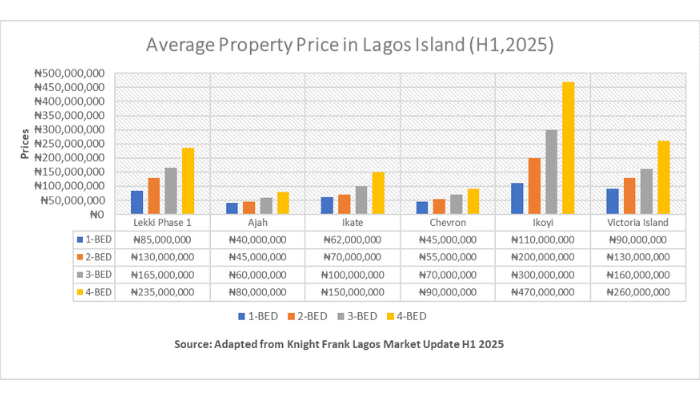


Compare similar plots. What are serviced vs un-serviced plots going for? What titles do they carry? For instance, some listings show 600 sqm serviced plots at ₦48 m in Ibeju-Lekki.
Check “verified” premium vs regular plots. Verified plots (with full documents, developer backing) will cost more—but you pay for peace of mind. If you buy something too cheap, you may face costs later (legal, clearing, infrastructure).
Exit strategy & hold time. Land is not a “quick flip” unless you’re buying extremely well-located and underpriced. In many Ibeju-Lekki cases, you may need to hold for 3-5 years to capture major appreciation. If your plan is build-now or short-term flip, check how fast infrastructure is coming.
Investment Case Study: My Own Visit to Ibeju-Lekki
I recently visited two land-schemes in Ibeju-Lekki (June 2025) and I’ll share my experience, so you get a feel for ground reality.
Case Study A: Serviced 600 sqm Plot, Magbon-Alade
Location: Magbon-Alade, about 12 mins off Lekki-Epe Expressway.
Plot size: 600 sqm serviced (road, drainage, street lights)
Asking price: ~₦48 m. Listed with proper C of O.
My observations: Good branded estate signage, developer’s gatehouse. Road was motorable but not tarred fully. A few adjacent plots still un-developed. The plot is clearly more expensive than remote ones—but the infrastructure gap is narrower.
My comment: If you’re buying here, you’re paying a premium for closeness + infrastructure. The risk is moderate and upside decent—assuming you build in 1-2 years or hold for 3-4.
Case Study B: Undeveloped 500 sqm Plot, Off Expressway, Eleranigbe
Location: Eleranigbe, off main expressway (about 20–25 mins from the expressway).
Plot size: 500 sqm, listed at ~₦25 m.
My observations: Road access is narrower, some plots around were under construction but infrastructure (street lights, drainage) still patchy. Title looked okay, but you could feel you’re further out.
My comment: This is a value-entry option—but you must accept the longer hold, maybe more risk of slower infrastructure. If you’re an investor with 5-10 year horizon, this could make sense. If you want build-soon, you might wait or stretch budget.
10 Smart Tips to Buy Verified Land Plots in Ibeju-Lekki in 2025
Let’s turn to actionable tips—so whether you’re first-timer or seasoned investor, you’ll have a checklist that fits the Lagos market.
Define your investment goal: Build now? Hold to sell later? Lease? This will determine location, size, and budget.
Work with a licensed estate surveyor & lawyer: As recommended by professional bodies (Nigerian Institution of Estate Surveyors and Valuers) for document verification.
Visit the site at least twice: Once in daylight, once during rainy season if possible. Inspect access, topography, neighbours.
Request full title pack: Deed of Assignment, Survey Plan, Governor’s Consent (if required), C of O, tax receipt—cross-check with Lagos State Land Registry.
Check community levies or hidden costs: Some estates levy development charges. Ask what you’ll pay and what you get (road, drainage, security).
Negotiate based on location & infrastructure: If the road is still untarred, you can ask for discount. If it’s near major infrastructure, expect premium.
Check future infrastructure plans: Is there a new road coming? Rail link? Free Trade Zone expansion? These can boost value.
Have an exit/resale plan: Even though land is long-term, know who might buy from you (developers, home builders) in future.
Budget for build or wait-time: If you plan to build, allocate funds and timelines. If waiting, ensure you’re comfortable with land-holding cost (security, vacated plot).
Avoid deals that sound “too good”: Especially in emerging zones around Ibeju-Lekki, when the plot price is dramatically lower. Could be lack of title, poor access, or dispute.
Risks & How to Mitigate Them
Every investment has risks—being aware helps you navigate smartly.
| Risk | How to mitigate |
|---|---|
| Fake titles / sold multiple times | Do full title search, engage lawyer, ask for land registry confirmation. |
| Government acquisition / zoning change | Check with Lagos State Land Registry, planning authority; verify if land is earmarked for public use. Manifield Solicitors |
| Poor access/infrastructure delaying build or lowering value | Prioritise plots with good or imminent access; check current road status. |
| Flooding or environmental hazards (lagoon/coastal areas) | Inspect site during rainy season, talk to locals, check elevation/topography. |
| Long hold period leads to cost without return | Have budget for security/maintenance; ensure you’re comfortable with hold time. |
Why Now is a Smart Time to Act (But Not Rush)
In 2025, the window for good deals in Ibeju-Lekki might still be open—but it may not remain so for long.
The momentum is strong: listings show many available plots, but prime ones (serviced, close to expressway) are already priced at tens of millions.
Developers and large investors are eyeing the area, so competition will rise.
With inflation, currency and construction cost pressures, holding costs may increase, so earlier entry gives better time to appreciate.
But caution: Unlike a “quick flip” condo you might turn in 12 months, land in Ibeju-Lekki still needs some time—build or hold plan matters.
How to Select Your Verified Land Plot – Step-by-Step
Here’s a simple workflow I advise to clients and readers of NaijaEstate.com:
Set your budget & size: Eg: ₦25 m–₦50 m for 500–600 sqm serviced in good location; or ₦15 m–₦30 m for less infrastructure/remote plot.
Short-list 2-3 locations: For example: Magbon-Alade, Eleko, Free Trade Zone corridor, Oribanwa.
Visit each site: Check access road, existing neighbouring development, signage, current infrastructure.
Request & verify documentation: Survey plan, C of O/Deed, Governor’s Consent, previous receipts. Cross-check with Land Registry.
Ask developer or seller about infrastructure timeline: When will roads, street lights, drainage be completed (if not)? Are they included?
Compare prices: What are similar plots going for? If your plot’s significantly higher, ask why (location, infrastructure, title status) or negotiate.
Negotiate purchase terms: Try to get a payment schedule aligned with milestones (e.g., road completion) if possible.
Engage lawyer to draw contracts: Use trusted legal professional, include penalty clauses for non-delivery of promised infrastructure.
Hold/follow up until you have possession: Visit periodically, ensure developer or seller is delivering infrastructure and you’ve taken physical possession.
Plan your exit or build strategy: If you’re building, have your architect/contractor ready. If you’re holding, keep security, verify occupancy/nearby development.
FAQs: Verified Land Plots in Ibeju-Lekki
Q: What size of land plot should I aim for?
A: Standard in Ibeju-Lekki for residential purposes is around 500–600 sqm (≈0.125–0.15 acres) in many “serviced” estates. But there are smaller and larger options.
Q: Do I need “verified” plot?
A: Yes—because the term “verified” signals that major checks (title, access, infrastructure) have been done. In an area booming like Ibeju-Lekki, risk is higher if you skip verification.
Q: How long will it take to see appreciation?
A: Realistically, 3-5 years or more for sizable appreciation if you’ve bought in a good location with verified title and infrastructure. If you build and lease/resell, you may see earlier returns.
Q: Can foreigners or non-residents invest in land here?
A: Yes—foreigners can own land in Nigeria subject to certain legal structures (usually via companies or Nigerian trustee arrangements). But legal advice is essential.
Q: Should I build immediately or wait?
A: Depends on your goal and budget. If you have funds and your plot is in a good zone already with infrastructure, building may be wise. If funds are limited or infrastructure still works in progress, holding may make more sense.
Conclusion
So, to wrap up: If you’re seriously considering verified land plots in Ibeju-Lekki in 2025, you’re looking at one of Lagos’s most promising investment corridors. The growth tale is real. The pricing is still accessible compared to ultra-prime Lagos zones. But remember—smart investing means verified title, solid infrastructure, good access, and clear investment horizon.
As your NaijaEstate.com journalist with boots-on-the-ground in Lagos, here are my quick take-aways from this piece:
Always treat the land like you’d treat a business venture: do your checks, cost your budget, expect timelines.
Verified plots cost more—but reduce risk.
Location still matters enormously: near expressway, development zones, infrastructure=premium.
Avoid the “too good to be true” bargains—they often come with hidden issues.
Use your exit strategy: build-now or hold-to-sell. Don’t just buy for the sake of “investing”.
Stay patient and realistic: land investment is medium to long-term; expect returns over years, not months (unless exceptional case).
I’d love to hear from you: Are you looking for land to build your dream home, or as a pure investment? Drop your thoughts in the comments below—let’s dig into your plans and I’ll share tailored insights from Ibeju-Lekki.
👉 Have you already inspected any land plots in Ibeju-Lekki? What did you notice? Share your story below.
And remember: for fresh real estate happenings in Lagos and beyond, check out the latest at https://naijaestate.com/news
Happy investing!