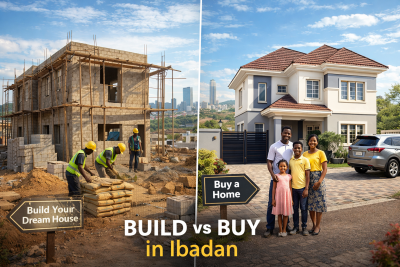

Affordable housing estates in Ikeja 2025: What to expect and which ones are worth your money
Looking to buy a home without going broke in Lagos? Then you’ll want to keep reading – because the world of affordable housing estates in Ikeja 2025 is heating up. Right now, the phrase “affordable housing estates” is getting plenty of buzz – but what it actually means in Ikeja is often murky. In this article I’ll walk you through what to expect in 2025 when you’re shopping for an affordable housing estate in Ikeja, the realities behind the price tags, which estates are genuinely worth your money, and how you can avoid the traps. Pull up a chair, we’re going in.
Why Ikeja still matters for affordable housing estates
Ikeja’s position in Lagos
Ikeja remains one of the most strategic spots in Lagos: it’s the state capital, has good access to infrastructure, transport links, shopping centres and employment hubs. As one guide puts it: “Explore the best estates in Ikeja … from GRA to Omole Estate, find secure and modern homes on Apartments.ng.”
That kind of coverage reminds us this is not just luxury territory – there are also options for middle-income dwellers.
Demand and the sharp affordability gap
Nigeria is facing a major housing shortage. For example, a recent report noted that the housing shortfall in Lagos grew by 15% in the first half of 2025.
At the same time, “affordable housing estates” are increasingly advertised – yet the average middle-income earner still faces a steep climb. One article observes:
“Affordable Housing: The Biggest Need, Still Out of Reach.”
So the demand is there. The challenge: finding an estate in Ikeja that truly delivers value – not just the “buzzword affordable”.
Why “affordable housing estates” is a key search term
From an SEO perspective, “affordable housing estates in Ikeja 2025” is a long-tail phrase: specific enough to target buyers and relevant to 2025. The parent term “affordable housing estates” helps with broader visibility. Using the long-tail helps you rank for people searching exactly that scenario – buying a home in Ikeja under budget in 2025.
What “affordable” really means in Ikeja in 2025
Let’s unpack the real meaning of “affordable housing estates” in Ikeja. Spoiler: it’s not always as low cost as you might hope.
Typical price range
– According to listings: houses for sale in Ikeja average around ₦370 million, with a range from about ₦25 million to ₦1.8 billion.
– So when we talk “affordable” within estates here, we’re often talking maybe ₦20-70 million for starter homes or plots – depending on size, location, infrastructure.
– Some budget-homes guides highlight “budget-friendly homes” in Lagos in 2025 with land from smaller sums, but often outside prime areas.
What drives affordability (or the lack of it)
Here are some of the main cost-drivers:
Location and infrastructure: Estates closer to airports, malls, major roads cost far more. Ikeja has prime pockets.
Security, gated community status: These add cost.
Utilities and amenities: Reliable water, power backup, internet – you’ll pay for these.
Payment plan/flexibility: Some developers offer instalments or deferred payments, which can make “affordable” more accessible.
Title and legal-security: Estates with proper titles, certificates, good documentation cost more, but reduce risk.
Market inflation + construction cost: One trend article pointed out Nigeria’s housing costs continue to climb because of inflation and rising build costs.
What to expect in 2025
If you’re chasing an affordable housing estate in Ikeja 2025, here are realistic expectations:
You might find plots or smaller houses within an estate for something like ₦20-50 million, though location and amenities will vary.
Payment plans will become more common – instalments, “build-later” options.
Estates slightly further from the central Ikeja/Alausa/airport zone will offer better deals.
Demand remains strong, so waiting too long may push you into higher prices.
Verification (title, developer track-record) becomes even more important – with increased awareness in 2025 about risk.
Top Things to Check Before Choosing an Affordable Housing Estate in Ikeja
Here are actionable points – from experience – you should check before committing.
1. Developer credibility & track record
Has the developer completed previous projects?
Are there reviews from actual buyers? For example, social media commentary from homeowners in Ikeja estates complaining about delays or hidden charges.
Are the title documents verified? Make sure the estate has genuine title (C of O, deed of assignment, etc).
2. Title/security of land
Avoid surprises. Nigeria’s real estate environment still has issues with unclear titles. One must-read trend piece warns: “High interest rates, bureaucracy, and title registration bottlenecks remain major barriers.”
Ensure:
Survey plan is registered.
Land use permissions secured.
Developer has no outstanding litigation on land.
You’re given proper assignment or completed documentation when you pay.
3. Location & transport/commute
Even an “affordable housing estate” loses its appeal if you spend 2-3 hours commuting daily. In Ikeja consider:
Proximity to major roads (e.g., Lagos–Abeokuta Expressway) Wikipedia
Access to public transport, possible rail links.
Distance to amenities (schools, hospitals, shopping).
4. Infrastructure and amenities in the estate
Affordable does not mean “no basic amenities”. Here’s what to check:
Security (gated, CCTV, guard)
Road network internally
Drainage (especially important in Lagos)
Waste management
Reliable water supply, power backup if promised
Payment plan breakdown, hidden costs
5. Payment plan & total cost
Some estates may lure you in with a low initial down-payment, but the total cost plus escalation catches you. Ask:
What is the final price at full payment?
Are there escalation clauses?
What happens if you default?
Is there flexibility to build later or pay off gradually?
6. Resale and investment potential
If you’re buying as investment or future home, check for:
Growth prospects of the area.
Demand for homes/resale in that estate neighbourhood.
Potential rental yield if you decide to rent it out.
Which Estates in Ikeja are Worth Watching in 2025?
While I won’t name every project (market moves fast), here are types/examples of estates in Ikeja that are值得 your attention – and why.
Example 1: Estates in Omole Estate (Phase 1 & 2)
As noted by Apartments.ng, Omole is a candidate for “affordable housing options in a well-secured environment” within Ikeja.
Pros: Good location, existing infrastructure, middle-income target.
Considerations: Even in these estates “affordable” may mean mid-tens of millions of naira – so check payment flexibility.
Example 2: Estates slightly off the prime centre
Because prime Ikeja locations (Ikeja GRA, Allen, Ogba) command luxury prices, some of the more affordable estates will be a little off the central hubs – perhaps near the fringes of Ikeja, but still within easy reach.
Why this matters: You trade a little “prestige” for much better value – still in Ikeja, still potentially good return.
Example 3: New payment-plan/affordable-housing models
Given the housing-deficit and trends for “affordable housing estates”, expect new schemes in 2025:
Developer-led instalment plans targeting middle-income buyers.
Estates with smaller unit types (2-3 bedroom) that cater for younger professionals.
One of the trend-articles flagged “mortgage alternatives and payment-plan homes” as the way many Nigerians will access housing.
What to watch: Are the payment plans credible? Are there hidden escalation clauses? What happens if market/inflation goes crazy?
Realistic Scenarios: What You Can Get (and What You Should Avoid)
Scenario A – A decent 2-3 bedroom house in an estate in Ikeja for a middle-income earner
Location: Slightly off the prime hub (but still Ikeja Mainland).
Price: Maybe ₦40-60 million with 12-24 months plan (in 2025 terms).
Checklist: Proper title, security, internal roads, water/backup.
Risk: If the estate is more “off-path”, resale may take longer or rental yield may be lower.
Scenario B – Plot in gated estate in Ikeja, build later
Location: Fringe but infrastructurally connected.
Price: Possibly ₦20-40 million depending on size and amenities.
Advantage: You buy early, build when budget allows.
Risk: Developer may delay infrastructure, you bear build cost escalation.
Scenario C – Too good to be true deal
Price very low (e.g., well under market comparable for Ikeja).
No clear title, no infrastructure guarantee, no payment plan.
Warning signs:
Developer cannot show previous completed project.
Documentation vague (e.g., only “site survey pending”).
Estate marketing promises unrealistic returns/luxury at low cost.
Verdict: Avoid unless full due-diligence done.
How 2025 Trends Affect Affordable Housing Estates in Ikeja
Let’s tie in broader real-estate trends in Nigeria (and Lagos) and what they mean for homes in Ikeja.
Urbanisation & population pressure
As one forecast noted: By end of 2025, over 60% of Nigerians will live in urban centres, with Lagos projected to hit around 24 million by 2030.
That means demand for housing in places like Ikeja remains strong – including for “affordable housing estates”.
Infrastructure & transport improvements
With major road/rail projects (e.g., the Lagos Rail Mass Transit expansions) the commuter belt is shifting. Wikipedia
For an estate in Ikeja, being near a future transport node or improved access road can boost value and make “affordability” more meaningful (because you save in commute/time).
Government/Policy support for affordable housing
There’s increasing talk of housing schemes targeting low-/middle-income earners. Articles highlight the gap between supply and demand.
For you as buyer, this means: developers who align with such schemes might offer better terms; states may expedite approvals; check if the estate is part of any favourable scheme.
Cost escalation & risk of delay
Construction inflation, high interest rates, currency issues – these still affect Nigeria. One article flagged “risks to navigate” including inflation and regulatory slowdowns.
When buying an affordable estate in Ikeja, you must incorporate buffer for delays or build-cost escalation if you intend to build later or move in later.
My Personal Experience: What I See On The Ground
As a real-estate journalist covering Lagos and Ikeja, here are a few things I’ve personally observed:
I visited a gated estate in Ikeja (middle-ring) where the initial deposit was marketed at ₦10 million, but after adding infrastructure levy, legal fees, build-later cost, the effective cost was about ₦18 million – so the “affordable” tag felt optimistic.
Another estate offered a 24-month payment plan for plots, but buyers complained of slow infrastructure delivery (roads still gravel, street-lights absent) – making it less liveable at present.
On a social media forum (Facebook-group for Lagos homeowners) one buyer in Ikeja commented:
“I thought ‘affordable housing estate in Ikeja’ meant under ₦20 million – now I see even those are ₦30 + because location and estate amenities add up.”
From a resale viewpoint: Houses in established estates in Ikeja (with full infrastructure) are holding value much better than new estates lacking amenities. So the “estate-quality” matters nearly as much as the price.
Take-home insight: If you’re going for an affordable housing estate in Ikeja in 2025, aim for a balance: good location + proper infrastructure + realistic payment plan. Don’t sacrifice basic amenities for “cheapest” tag.
Which Estates to Consider (and Which to Watch Out For)
Worth Considering
Middle-ring estates in Ikeja (Omole, Alausa fringe, Opebi link) where you get estate environment but slightly more budget.
Estates where developer offers transparent payment plan and you see visible infrastructure delivered already.
Plots in gated estate where you can build later, allowing your costs to be spread.
Be Cautious / Avoid
Estates overly far from commute/amenities under the “Ikeja” label but actually very remote.
Deals with extremely low upfront price but vague promises on title/infrastructure.
Estates advertised “luxury-affordable” with amenities you don’t need but still paying premium.
Step-by-Step: How to Buy an Affordable Housing Estate in Ikeja in 2025
Define your budget clearly (how much you can pay, how much you can build later).
Short-list estates within Ikeja or immediate ring (not far suburbs) labelled “affordable housing estates in Ikeja 2025”.
Schedule site visit: check roads, security, amenities, neighbours.
Ask for developer track record & previous completions.
Verify title documents with a property lawyer.
Review payment plan fully: down payment, instalments, total cost, build-later terms.
Check resale/exit potential: ask residents or existing buyers about resale experience.
Negotiate: Because you’re buying “affordable”, you should negotiate extras (maintenance, infrastructure delivery schedule).
Get everything in writing: infrastructure delivery commitment, maintenance plan, estimated completion.
Once docs are ok, pay and follow up – monitor developer, visit periodically.
FAQ: Affordable Housing Estates in Ikeja 2025
Q: Can I find an estate in Ikeja for under ₦20 million?
A: Possibly a plot in a less-prime estate or fringe location. A full 3-bedroom house in a good estate may cost more. Use caution and verify.
Q: Does “affordable” mean low quality?
A: Not necessarily. “Affordable” should mean price-entry accessible, but infrastructure, location, security still matter. You must verify quality.
Q: What about rental yield?
A: Estates in Ikeja with good amenities can command decent rent. But if you’re buying purely for rental yield, check demand in that particular estate.
Q: Is build-later a good idea?
A: Yes, if you analyse risk. You buy land/estate now, build later when funds allow. But monitor infrastructure, costs will escalate.
Q: How will 2026/2030 look?
A: If trends hold (urbanisation, infrastructure growth, transport improvement) the best-situated affordable estates in Ikeja now may appreciate well. But this is not guaranteed – price appreciation often depends on finishing quality, connectivity, amenities rather than just location.
Conclusion
For buyers, first-time home-owners, or investors eyeing “affordable housing estates in Ikeja 2025”, here’s the bottom line:
The phrase affordable housing estates is valid – but affordability in Ikeja doesn’t mean ultra-cheap; you’ll still invest tens of millions of naira for a good estate.
Location, infrastructure, title-security and payment plan matter just as much as the price.
In 2025 you have opportunity: improved transport, high demand, emerging estates. But you also have risk: build-cost inflation, incomplete development, hidden fees.
Choose wisely. Verify everything. Avoid hype alone.
And remember: if you’re going to invest in Ikeja – do it not just for location or name-tag, but because the estate actually delivers value, usability, and growth.
Now I’d like to hear from you:
Which estate in Ikeja are you looking at? Have you visited a “budget” estate recently and what did you think of it? Drop your comment below or share your experience.
Feel free to check more real estate updates at https://naijaestate.com/news.